
Introduction: choosing the best racquet sport for your style
Choosing the best racquet sport depends on your goals: getting fit, competing, having fun, or learning something new. In this guide, we compare tennis, padel and pickleball to help you decide which one suits you best.
Why compare these racquet sports?
Tennis, padel and pickleball have gained popularity thanks to their unique benefits. Each one offers a different experience and can suit your age, skill level or motivation better. That’s why it’s worth learning the key differences before you begin.
What aspects will we compare?
- Differences in courts and equipment
- Playing style and difficulty
- Which is the ideal option based on age and ability
Visual comparison of racquet sport courts
A picture speaks a thousand words. Below, you’ll see the courts used for each sport to help identify which one might suit you best. The playing environment greatly affects the dynamics and accessibility of each sport.
Tennis court: classic and demanding
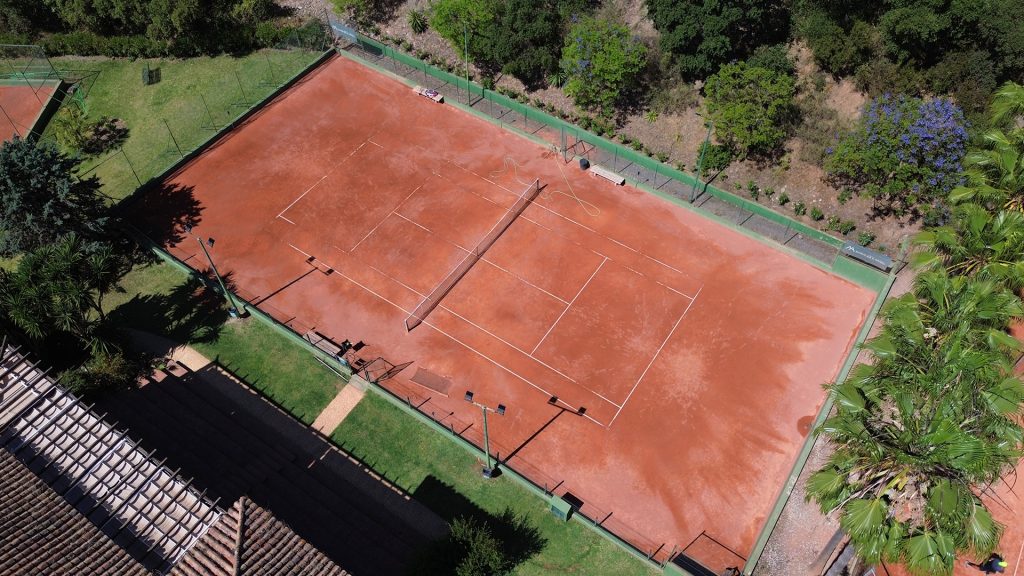
The largest court, with no walls. It requires long movements and physical strength. Ideal for players seeking performance, technique and intensity.
Padel court: tactical and fun
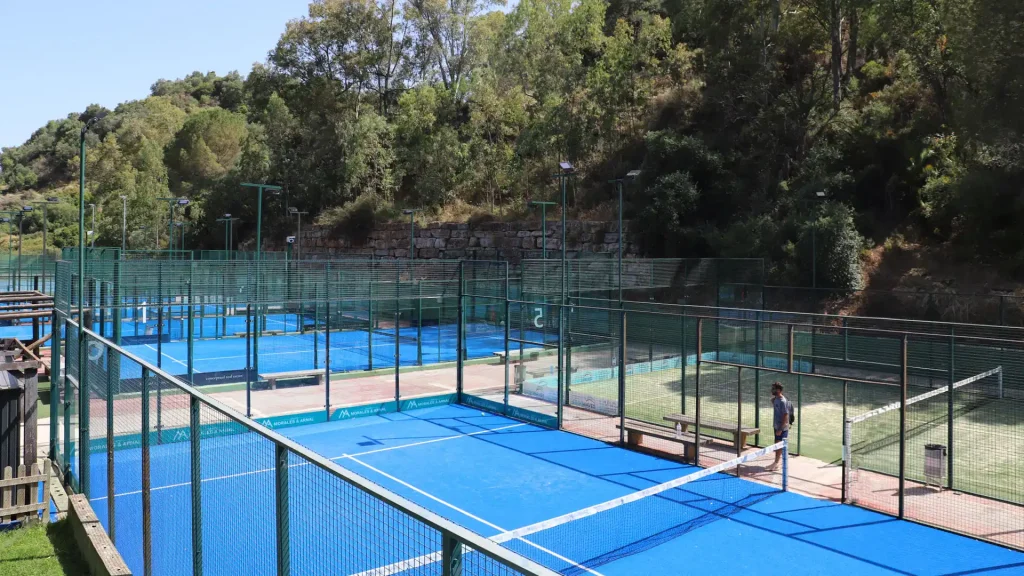
This is an enclosed court with walls that are part of the game. It’s fast-paced with emphasis on tactics, reactions and positioning. It’s also perfect for doubles and social play.
Pickleball court: accessible and social
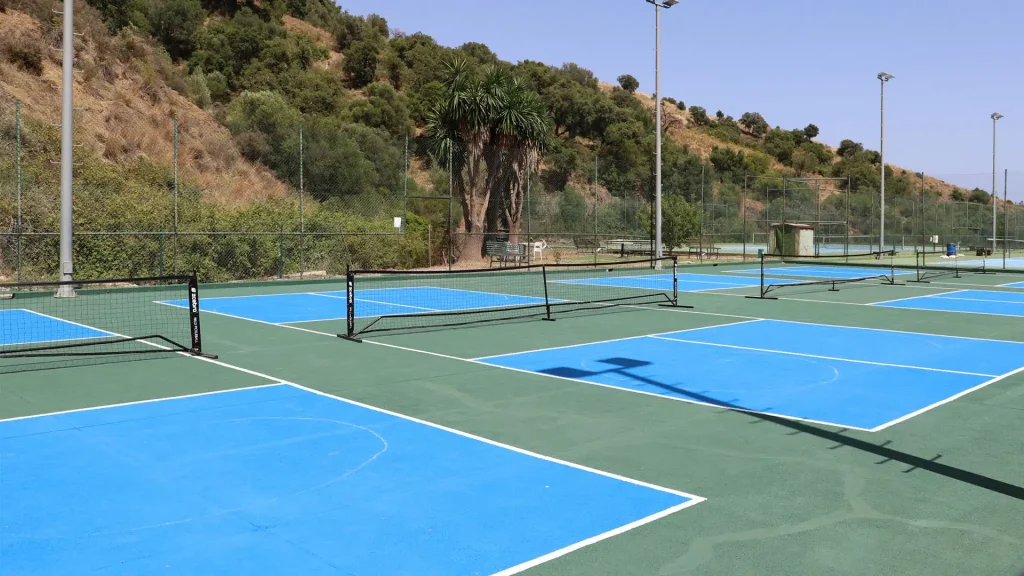
Very accessible. The court is small and the pace of play is slower, making it ideal for beginners, older adults or anyone seeking low-impact physical activity.
Key differences to help you choose a racquet sport
Equipment used in each racquet sport
What type of racquet or paddle does each sport use?
- Tennis: strung racquet with a pressurised ball, ideal for powerful and spin-based shots.
- Padel: solid paddle with holes, shorter and lighter than a tennis racquet.
- Pickleball: lightweight paddle without strings and a perforated plastic ball that slows the game.
Which is the most affordable to start with?
Pickleball is the most budget-friendly option. The equipment is simple, durable and easy to find. Even with a small investment, you can start and enjoy it from day one.
Physical and mental benefits of racquet sports
Playing a racquet sport not only improves physical condition, but also boosts mental wellbeing. Here are some of the main advantages:
Physical benefits:
- Improves coordination, balance and reflexes
- Increases cardiovascular capacity and muscle endurance
- Supports fat loss and weight control
Mental benefits:
- Reduces stress and anxiety
- Enhances concentration and decision-making
- Builds social skills and self-esteem
Playing style based on your profile
Which sport suits your fitness level best?
- Tennis: requires stamina, speed and technique. Best suited for those in good shape.
- Padel: adapts to all skill levels; ideal for strategic and sociable players.
- Pickleball: suitable for all ages and conditions. Very easy to learn and enjoy quickly.
What’s the best option for beginners?
Pickleball stands out for its ease of learning, though padel also allows for fast and rewarding progress. Tennis, however, demands more time to master technical elements.
Interesting fact:
Pickleball is growing rapidly among older adults worldwide, especially in the US and Europe, due to its low impact and social nature.
Comparison table: racquet sport disciplines
| Aspect | Tennis | Padel | Pickleball |
|---|---|---|---|
| Court | Large, open | Small, enclosed | Small, open |
| Equipment | Strung racquet | Solid paddle | Lightweight paddle |
| Difficulty | High | Medium | Low |
| Ideal for | Competitive players | Social players | Beginners / Older adults |
Conclusion: which racquet sport is right for you?
Looking for technical challenge and physical intensity? Then tennis is your sport. Prefer strategy, teamwork and social interaction? Padel is ideal. But if you value accessibility, low impact and instant fun, pickleball might be your best option.